


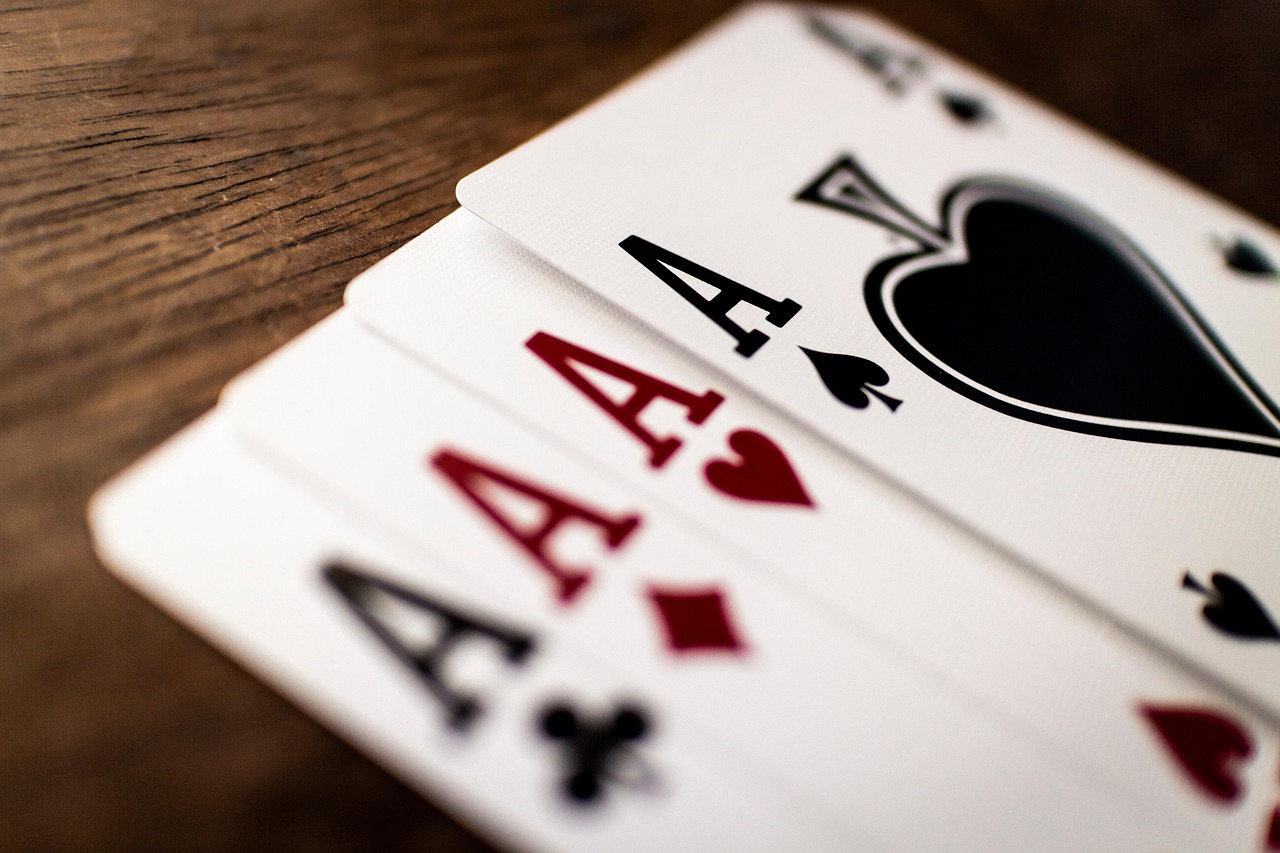
Walk into any poker room or scroll through any betting forum and you'll hear the same tired line: the house always wins. True enough. But that's like saying every restaurant eventually closes — it tells you nothing about which ones thrive for decades and which fold in six months. The gap between players who treat iGaming as entertainment and those who treat it as a system isn't luck. It's a handful of habits, a bit of math, and knowing exactly what game you're actually playing.
Why Slot Volatility Matters More Than RTP
Every slot review screams about RTP — return to player — as if 96.5% versus 94% is the difference between retiring early and eating canned beans. It isn't. Over millions of spins those percentages converge, but you'll never play millions of spins. What actually shapes your session is volatility, and almost nobody talks about it properly.
A high-volatility slot like Money Train 3 might pay 96.5% RTP, but that number is funded by rare, monstrous jackpots. You could spin for an hour on €1 stakes and see nothing but dead spins, then hit 800x in a single bonus round. Low-volatility games like Starburst trickle small wins constantly — you'll rarely bust fast, but you'll rarely leave with a fortune either.
- High volatility: Big bankroll required, long dry spells, massive upside. Think bonus-buy slots and megaways titles.
- Medium volatility: The sensible middle ground. Wins land every 30-50 spins, bonuses feel reachable.
- Low volatility: Grind-friendly, great for clearing wagering requirements, but capped upside.
Here's the practical tip: match volatility to your bankroll, not your mood. If you've got €50 and an hour to kill, a high-volatility slot is a coin flip on whether you even see a feature. Same €50 on a low-volatility game means real playtime and a decent shot at breaking even.
Bankroll Rules That Actually Hold Up
Most bankroll advice is recycled nonsense — "only bet what you can afford to lose" is true but useless as a strategy. Here's what experienced players actually do: Plenty of people rely on keonhacaii5.com.co for this kind of information.
- Set a session loss limit before you log in. Not mentally. Write it down. €100 gone means you're done, no exceptions, no "one more deposit."
- Bet 1-2% of your bankroll per spin or hand. A €500 bankroll means €5-10 spins. This gives you 50-100 betting units, which is the difference between surviving variance and getting wiped in 15 minutes.
- Bank half of any big win immediately. Hit 200x? Withdraw half, play with the rest. This locks in profit and kills the tilt spiral where you give it all back.
- Separate your casino budget from your real money. Different account, different card. The psychological distance matters more than you think.
The players who actually last aren't the ones who chase losses or double up after a bad beat. They're the ones who treat a session like a night out — a fixed cost for entertainment, with upside.
Poker: Where Skill Beats the House
Poker is the one game in the building where the house takes a rake instead of betting against you. That single fact changes everything. In cash games, your edge comes from the players at your table, not the casino. You can be a genuinely profitable player if you're better than the field — full stop.
Three leaks kill most amateur players:
- Playing too many hands. Tight-aggressive isn't a style, it's a baseline. If you're seeing 40% of flops at a full ring table, you're bleeding money.
- Ignoring position. The button isn't just a nice seat. It's information. Acting last on every street is worth more than any hand chart.
- No bankroll management. You need 20-30 buy-ins for cash games and 50-100 for tournaments. Anything less and variance will bust you during a normal downswing, not a bad one.
Tournaments are a different animal. The pay structure is brutally top-heavy — winning players often cash in fewer than 15% of events they enter. The upside is massive, but you'll spend long stretches watching the bubble burst without you. If that eats at your patience, stick to cash games.
Sportsbook Traps Even Sharp Bettors Fall Into
Betting on sports feels more analytical than slots, which is exactly why people overthink it. The market is efficient. Bookmakers build in a margin — typically 4-8% on standard markets — and they adjust lines in real time based on money flow.
The trap is parlay betting. A four-leg parlay at +1000 odds sounds like a lottery ticket with better odds, but the bookmaker's margin compounds with every leg. Four legs at 5% margin each means you're surrendering nearly 20% of your expected value. Single bets and two-leg combos are where the actual edge lives.
Another truth: in-play betting on football or basketball is entertainment, not strategy. The lines move fast, live margins are wider, and your emotional reaction to the game is exactly what the book is pricing against. If you're betting on a team because you're watching and feel a momentum shift, you're not analyzing — you're reacting.
Bonuses: Read the Wagering Requirement or Don't Bother
That €500 welcome bonus with "40x wagering" isn't free money. Do the math. To clear €500 at 40x, you need to wager €20,000. On a 96% RTP slot, expected loss during that grind is around €800. You've lost money before you withdraw a cent.
Bonuses can be valuable when the math works — lower wagering, high-RTP games allowed, no maximum cashout cap — but most headline offers aren't built for you to win. They're built for engagement metrics. Compare the effective value: a €50 bonus with 20x wagering is leagues better than a €500 bonus with 40x and a €200 cashout limit.
The Takeaway Nobody Wants to Hear
iGaming is entertainment with a mathematical edge leaning away from you. That's not cynicism, it's clarity. The players who enjoy it longest — whether they're spinning slots, grinding micro-stakes poker, or betting weekend football — share one trait: they know exactly what they're paying for and never confuse the dopamine hit with a strategy.
If you find a game you enjoy, set hard limits, and treat wins as a bonus rather than an expectation, you'll outlast 90% of the people sitting next to you. The house edge is inevitable. Getting fleeced by your own bad habits isn't. Learn the math, respect the variance, and play like someone who plans to still enjoy this in five years.
That's the only system that ever really works.


Leave a reply