


Why Linen Earns Its Place in the Home
Linen is one of the oldest textiles we still wear and sleep in, and it has stayed the course for good reason. Flax fibres are strong, breathable and naturally moisture-wicking, which means linen keeps you cool in a stuffy bedroom and warm enough when the heating goes off in October. It also softens beautifully with every wash, so the shirt you buy this spring will feel better in three years than it does today.
The most sustainable textile decision you can make is not a dramatic one. It is buying fewer pieces, choosing them carefully, and keeping them for a decade rather than a season. Linen rewards exactly that approach, and it works just as well for what you wear at home as it does for what you sleep under.
Start With the Wearable Essentials
If you are building a linen wardrobe for home, begin with the pieces you will actually reach for on an ordinary Tuesday. That usually means a small, hard-working core rather than a full rail of options.
- Two or three linen shirts in a relaxed cut. They work over a vest, under a jumper, as a light layer over a nightdress, and as something decent enough to answer the door in.
- One or two pairs of linen trousers with a drawstring or elasticated waist. Look for a mid-weight cloth around 200–260 gsm, which holds its shape better than very thin summer linen.
- A linen robe — the single most-used item in most linen wardrobes. Choose a knee-length or mid-calf style in a weight that drapes rather than clings.
- A simple tunic or dress for warmer evenings, ideally with pockets.
- A linen wrap or large throw that doubles as a blanket on the sofa and a shawl on the garden step.
That is five or six items, and between them they will cover almost every hour you spend at home. Add more only when you notice a genuine gap, not when you notice a sale.
Choose Cuts and Colours That Mix Without Effort
The trick to a small wardrobe that feels generous is a tight colour palette. Stick to neutrals that sit happily next to one another: oatmeal, stone, ecru, soft white, pale grey, ink blue, faded olive and clay. Everything matches everything, so getting dressed takes seconds and nothing languishes at the back of the drawer.
Choose timeless shapes over trend-led ones. A straight-leg trouser, a boxy shirt and a simple robe will look considered in ten years; a cropped, oversized, ruffled version of the same thing will not. Also check the weight before you buy. Lightweight linen creases dramatically and can feel flimsy, while a slightly heavier cloth feels more substantial and hangs far better. If you can, look for flax grown and woven in Europe, where the fibre is processed with less water and fewer chemicals.
Bring the Same Logic to Bedding
Your bed is where a linen habit pays off most. Rather than buying a matching set in one colour, build a bed linen collection as you would a wardrobe: two sets for the main bed, one for the spare room, and a handful of spare pillowcases that can be swapped in when something is in the wash.
Keep to the same palette you use for clothing, then mix freely. A stone duvet cover with oatmeal pillowcases and a soft white flat sheet looks intentional rather than mismatched. Ignore thread count, which tells you very little about linen; weight and weave matter far more. A mid-weight 165–190 gsm cloth for sheets, and slightly heavier for duvet covers, strikes a good balance between breathability and durability.
If you use a flat sheet beneath the duvet, you will wash the sheet far more often than the cover, which spreads the wear and makes both last longer.
Washing and Caring for Linen So It Lasts for Years
Linen is robust but not indestructible. A few consistent habits will keep it looking lovely for a decade or more.
- Wash at 30°C or cooler on a gentle cycle. Hot water is the quickest way to fade colour and shrink fibres.
- Skip fabric softener entirely. It coats the fibres and reduces the natural breathability you bought linen for. Half a cup of white vinegar in the rinse drawer softens without residue.
- Don't overfill the drum. Linen needs room to move, or it creases hard and wears against itself.
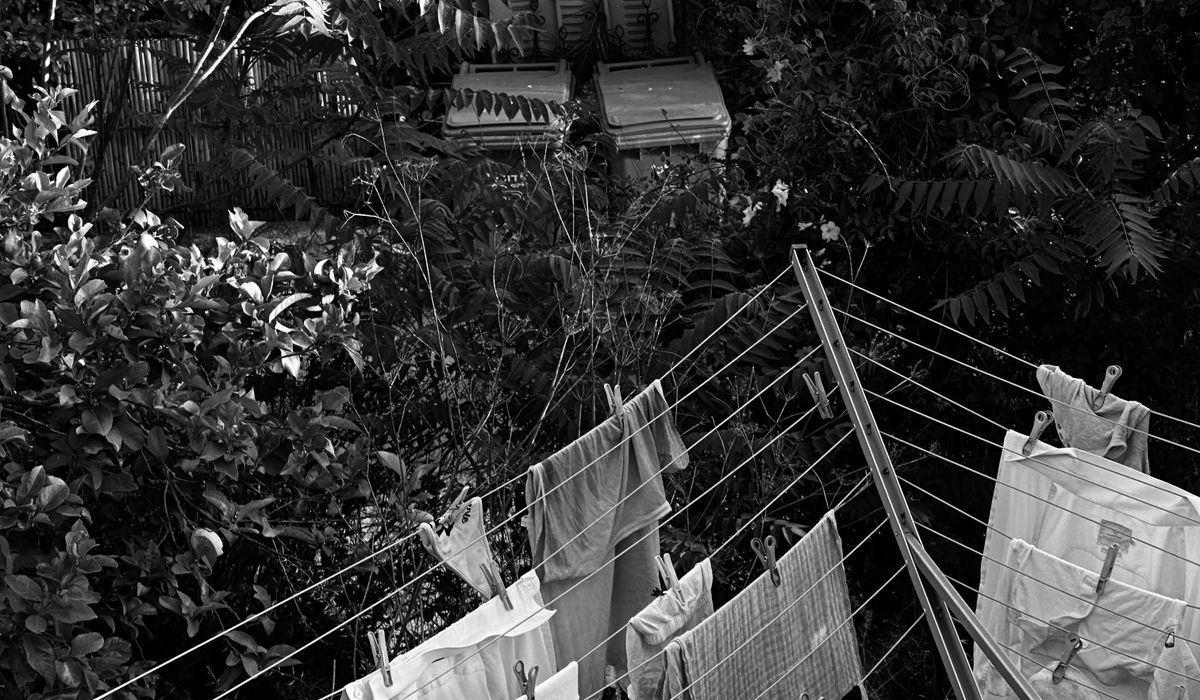
- Line dry in the shade where possible. Sunlight fades dyed linen quickly, though it is fine for whites. If you use a tumble dryer, keep it on low and take items out slightly damp.
- Air garments between wears and fold rather than hang heavy pieces, which can stretch shoulders out of shape.
- Store in a dry cupboard or airing cupboard, never in plastic bags, which trap damp and encourage mildew.
- Treat stains promptly. Bicarbonate of soda paste handles most food marks; a little diluted lemon juice helps with ink and rust.
- Iron while slightly damp, on the reverse, if you want a crisper finish. Otherwise, embrace the crease — it is part of linen's character and far kinder to the cloth.
Small Additions Worth Adding Slowly
Once your core pieces are in place, the extras become a pleasure rather than a necessity. A pair of linen tea towels, a set of napkins for Sunday lunches, a couple of cushion covers, a bath towel or two and a tablecloth for the summer. Add roughly one piece a season, and learn a basic running stitch so that a split seam or a dropped hem is a ten-minute repair rather than a reason to replace something perfectly good.
Built that way, a linen collection stops being a shopping habit and becomes something quieter and more satisfying: a small, hard-working set of things you genuinely like, that get softer and better with every year you keep them.


Leave a reply