


What Exactly Is Flax Fibre?
Flax is one of the oldest textile crops in the world, grown across Europe for thousands of years and still cultivated today in Normandy, Belgium and parts of Eastern Europe where the climate suits it. The plant itself is slender and quick-growing, reaching around a metre in height in roughly a hundred days. It produces pale blue flowers, and it is the stalk — not the seed — that gives us linen.
The fibres sit in bundles just beneath the outer bark of the stem. After harvesting, the stalks are spread out in fields for a process called retting, where dew, rain and naturally occurring micro-organisms break down the pectins holding the fibre bundles to the woody core. Once dried, the stalks are broken and scutched to separate the long fibres from the straw. Those long fibres are then hackled, spun into yarn and woven into linen. It is a slow, weather-dependent process, which is one reason genuine linen carries a price that reflects the work behind it.
Why Flax Uses So Little Water
Flax is unusually thrifty with water compared with many other fibre crops. It is largely rain-fed in Northern Europe — the damp, temperate summers do most of the work, so irrigation is rarely needed. The plant also grows quickly, meaning it occupies the ground for a short season rather than demanding months of watering.
There is a practical side benefit for gardeners and smallholders too. Flax tolerates poorer soils reasonably well and its deep taproot helps break up compacted ground. If you are thinking about the environmental footprint of your bedding, this low-input nature is a genuine part of linen's appeal.
The Texture You Can Feel: Why Linen Starts Crisp
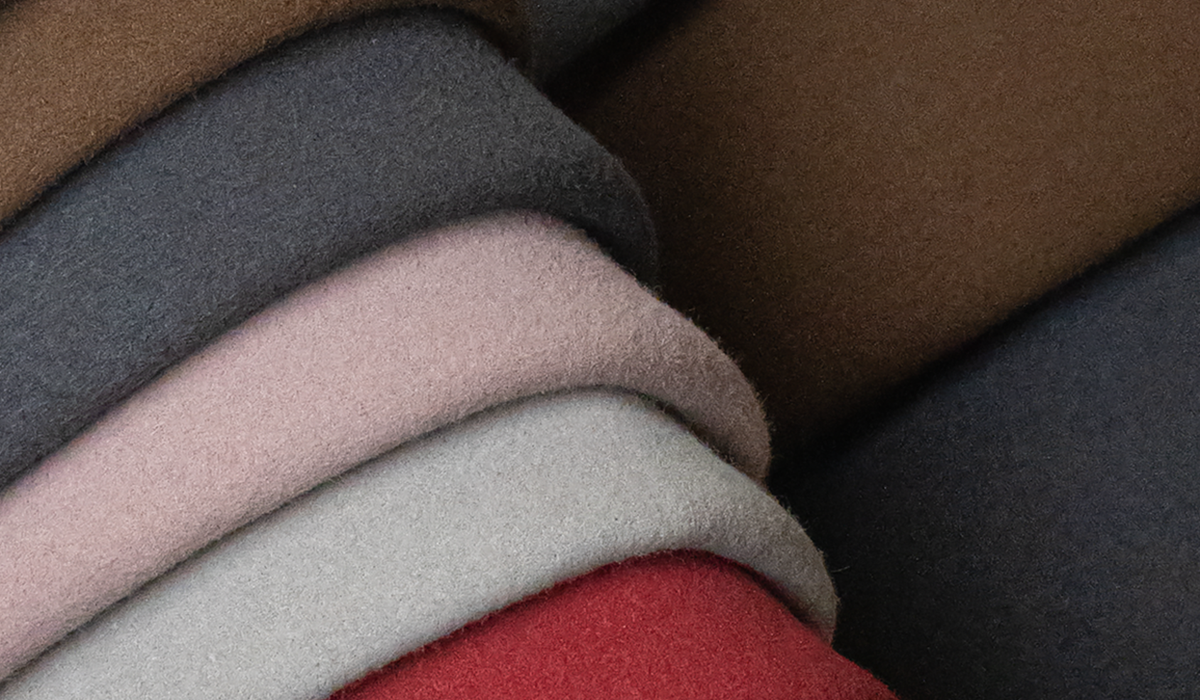
New linen has a distinct hand — dry, slightly crisp, with a visible slub and a faint irregularity across the surface. That texture is not a fault. It comes from the natural variation in fibre thickness along each stalk, and from the way the yarn is spun. Flax fibres are relatively long and low in elasticity, so they do not stretch or bend the way cotton does. Instead they hold their shape, which gives linen its characteristic body and that cool, almost papery feel against the skin.
You will also notice linen creases. Again, this is structural. With little natural stretch, the fabric folds rather than springs back. Many people learn to love the relaxed, lived-in look — a lightly rumpled linen duvet cover reads as effortless rather than untidy.
How Linen Softens With Every Wash
Here is where flax rewards patience. Each wash and tumble works the fibres against one another, loosening the pectins and natural waxes still present in the yarn and gently breaking down the stiffer outer layers of the fibre. The result is a fabric that becomes measurably softer, more supple and more fluid over time.
- First few washes: expect noticeable softening within three to five cycles.
- Six months in: the fabric drapes more closely to the body and the crispness fades.
- Several years on: well-cared-for linen reaches a buttery, almost silken hand that new linen simply cannot imitate.
This is why vintage linen tablecloths and heirloom sheets feel so different from anything straight off the shelf. The fibre is not degrading — it is relaxing into itself.
Caring for Linen Bedding and Home Textiles
Linen is forgiving, but a few habits keep it at its best for decades.
- Wash at 30–40°C. Hot water is rarely necessary and accelerates wear. Use a gentle, non-biological detergent.
- Skip the fabric softener. It coats the fibres and reduces their natural breathability. A splash of white vinegar in the rinse compartment does a better job.
- Wash separately at first. New linen sheds a little loose fibre for the first couple of cycles.
- Tumble on low or line dry. Remove while slightly damp and smooth by hand. If you prefer a crisper finish, iron on a medium-hot setting while damp — but there is no need.
- Rotate your bedding. Two or three sets in regular use will outlast one set washed constantly.
- Store clean and dry. Fold rather than hang heavy items, and keep them away from damp cupboards.
Stains respond well to prompt treatment. Blot spills, then soak in cool water with a little oxygen-based bleach before washing. Avoid chlorine bleach, which weakens flax fibres over time.
The Case for Buying Well and Keeping Long
Linen sits comfortably in a slower, more considered approach to the home. It is a natural, biodegradable fibre, produced with modest water inputs, and it improves rather than declines with use. A good linen pillowcase or bath towel is not a short-term purchase — treat it well and it will be softening for a decade or more.
When you are choosing, look for weight and feel rather than a brand name. Heavier weaves suit bedding and upholstery; lighter, looser weaves work beautifully for curtains and summer throws. Wash it, use it, let it crease, and let time do the rest. The texture you feel in year five is the whole point of flax.


Leave a reply