


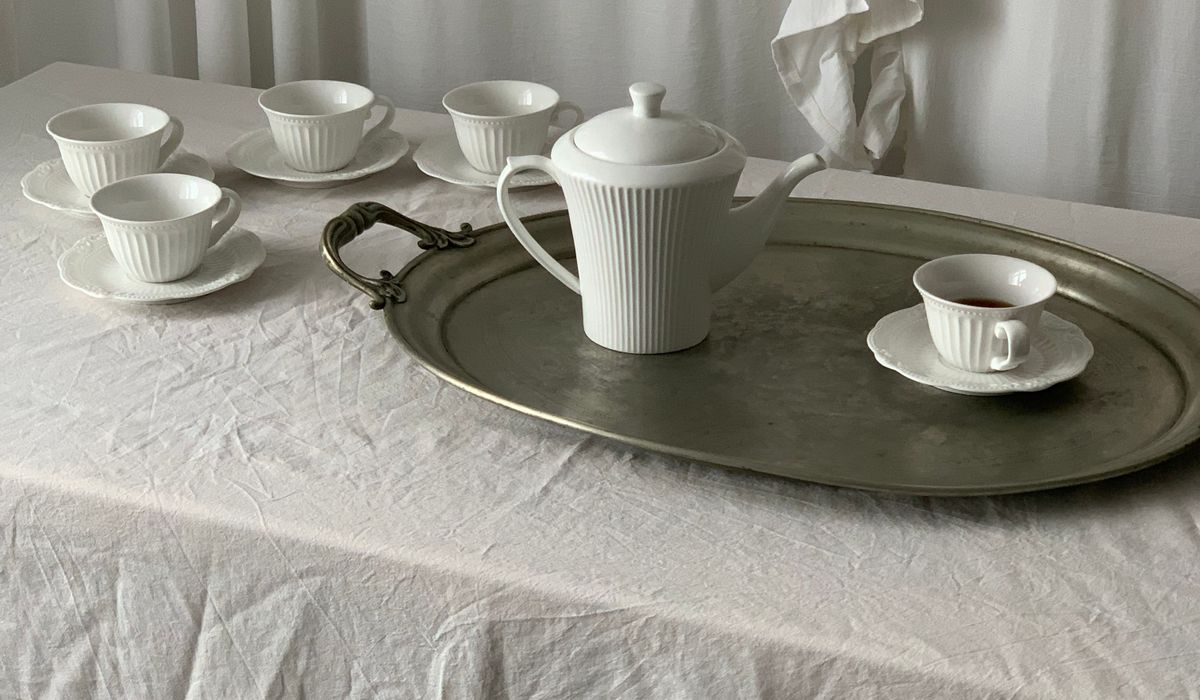
Why Linen Creases — and Why That's Part of the Charm
Linen is woven from flax, one of the oldest textile fibres we have, and its beauty comes with a built-in quirk: it creases with a readiness no other fabric quite matches. Flax fibres are long, strong and low in elasticity, so when the fabric is folded, sat upon or slept in, the fibres simply stay where they're put. That relaxed crumple is part of linen's character, and nobody should be frightened of it.
There is a difference, though, between an easy, lived-in softness and a look that seems carelessly neglected. A little careful pressing gives you the best of both: a crisp, luminous finish that softens over the next few wears and washes. The good news is that linen is one of the easiest fabrics to iron well — provided you get three things right.
The Dampness Rule: Never Iron Linen Bone Dry
This is the single most useful thing to know. Dry linen scorches before it smooths. The fibres need moisture to relax; when the heat of the iron turns that moisture into steam inside the cloth, the bonds between the fibres loosen, the crease releases, and the fabric dries into a new, flat shape. Iron it dry and you are simply flattening a memory into the cloth.
So aim for slightly damp: the feel of a wrung-out tea towel that has been left to stand for ten minutes — cool, evenly moist, never dripping. A few practical ways to get there:
- If the linen is bone dry, mist it lightly with a spray bottle, roll it up in a clean towel and leave it for ten to fifteen minutes so the moisture spreads evenly.
- Take bedding and shirts from the machine while still faintly damp, shake them out vigorously and fold them in a pile.
- For stubborn dried-out pieces, lay a damp cotton cloth over the linen and press over that, rather than soaking the linen itself.
Setting Up Your Iron Properly
Linen likes heat, and plenty of it. It happily takes the highest setting on a domestic iron — the three-dot or "linen" mark, roughly 200–230°C. Many people instinctively drop to a cotton setting, then wonder why the creases keep springing back. A lukewarm iron merely pushes the fold around the garment.
Steam is your ally. Keep the reservoir filled and use the burst function on set-in creases and thick hems. If you live in a hard-water area, use filtered or distilled water to keep the soleplate and steam vents clean. A few more things worth setting up before you begin:
- A padded ironing board with a smooth, clean cover — a scorched or gritty cover will mark pale linen.
- A pressing cloth for dark colours, embroidery and anything with a sheen you want to protect.
- A sturdy hanger and a rail within arm's reach, because you will need to hang pieces the moment you finish them.
Press on the reverse for a matte, softly textured finish, or on the face side for a gentle sheen. Always iron embroidered, monogrammed or printed pieces from the back, over a folded towel, so the raised stitching isn't crushed flat.
The Technique: Straight Lines, Steady Pressure
Resist the urge to scrub back and forth. Work in long, straight strokes along the lengthwise grain of the fabric, moving from the centre out towards the edges. Lift the iron at the end of each stroke rather than dragging it sideways across a fold, which only creates new ones.
Order of work matters. Press the small, awkward parts first — hems, seams, cuffs, collars, edges — then move on to the broad panels. Steer around buttons, zips, hooks and heavy hems rather than pressing over them, since the metal will leave a shine and the bulk will distort the shape. Be careful on the bias, too: linen stretches when pulled diagonally, so keep your strokes with the grain and let the iron glide rather than tug.
If you want an especially crisp finish for table linen, a light spray starch used sparingly will do it. Linen doesn't need starch, though, and a heavy hand builds up a flaking film that dulls the natural lustre.
Sheets, Duvet Covers and Other Big Pieces
Bedding is where good intentions usually falter, simply because of the bulk. The trick is to iron while still damp and to work in sections, never letting a great heap of fabric sit under the soleplate.
- Duvet covers: fold in half lengthways, press the top panel, then shift the bulk along and press the next section, working your way down.
- Sheets: do the hems and the top edge first, then fold lengthways and press in broad panels.
- Napkins and tablecloths: press into a three-fold while still slightly warm — the fold then holds beautifully for the table.
If a full ironing session isn't realistic, take bedding from the dryer while barely damp, shake it hard, fold it neatly and rest it under a weight for an hour. It won't be pressed, but much of the crispness returns.
Hanging, Folding and Storing: The Last Five Minutes Count
Everything you've just done can be undone in a careless basket. Hang linen immediately — shirts and blouses on rounded wooden hangers, seams smoothed with your hands, top button done up, sleeves straightened. Tablecloths and sheets should be folded while still warm and laid flat rather than bundled.
Let everything cool and dry completely before stacking it away. Warm linen piled together traps moisture, which dulls the finish and can encourage mildew in a closed cupboard. Store folded and aired, never crammed, and keep linen out of plastic bags — cotton pillowcases or cotton storage bags let the fibres breathe. A sprig of lavender or a lavender bag keeps everything smelling sweet without perfuming the fabric heavily.
Finally, give bedding and table linen a short airing before use. Linen that has rested flat, dry and unfolded for an hour or two looks noticeably smoother than linen pulled straight from a shelf. With damp cloth, a hot iron and a moment's patience, you'll get a finish that feels genuinely luxurious — and that softens gracefully every time you use it.


Leave a reply