


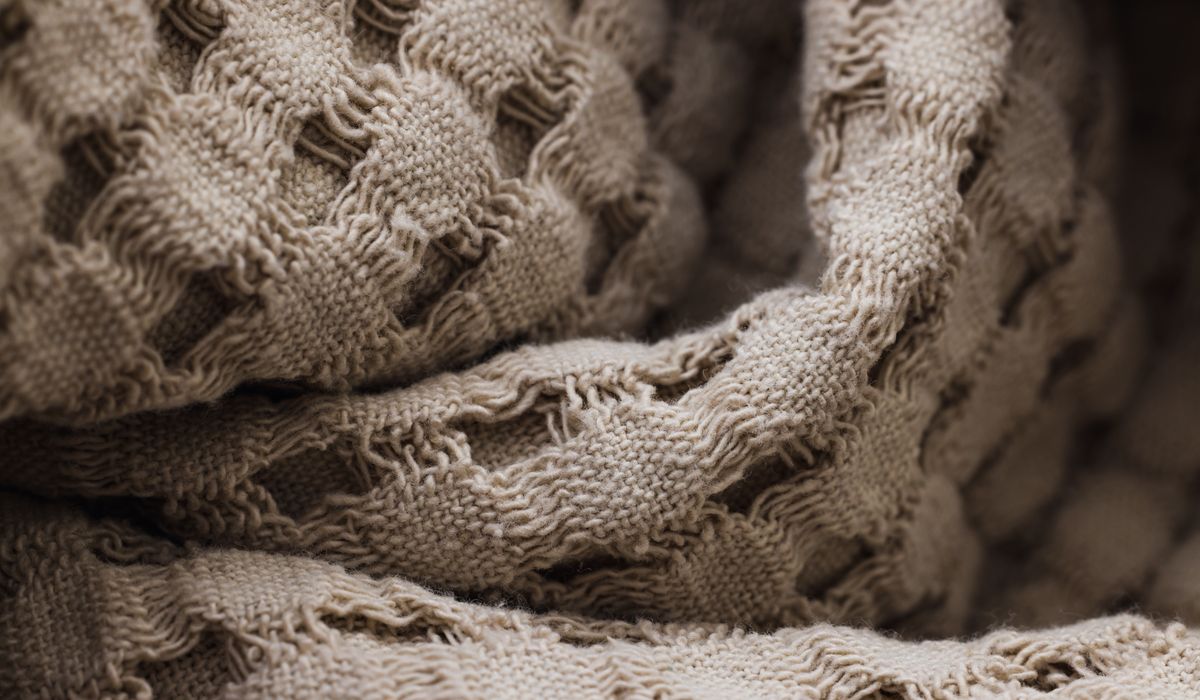
Why Casual Linen Sets the Right Tone
There is a particular kind of evening that begins the moment you stop trying to impress anyone. A washed linen cloth, a few mismatched plates, and a jug of water say something quietly welcoming: sit down, stay a while, nobody needs to be careful here.
Linen has been woven for household use for centuries, and it remains the most forgiving of all table textiles. It creases. It softens with every wash. It never looks stiff, even when new. Set against china you have collected piece by piece, it creates a table that feels lived in rather than staged.
Start With a Washed Linen Cloth
The foundation of the table is the cloth, and the key word is washed. Stonewashed or pre-washed linen has already done most of its shrinking and softening. Look for mid-weight linen — around 200 to 250 grams per square metre — which drapes without being flimsy and absorbs the odd spill without marking.
- Choose a cloth that overhangs by roughly 20 to 30 centimetres on each side. Longer catches on knees; shorter looks like a table mat that lost its nerve.
- Press it while still slightly damp, or shake it out and fold it in loose thirds. Visible fold lines are part of the charm.
- Skip the runner unless you want one. A single cloth does the work of three accessories and looks calmer for it.
If a full cloth feels like too much for a weeknight, a couple of linen napkins in the same wash of colour will carry the same message.
Mismatched Ceramics, Deliberately Chosen
Mismatched does not mean random. Keep one quality consistent — the mood — while varying the rest. If your plates are all pale and slightly wonky, they will sit together happily. Mix a rustic stoneware dish with delicate bone china and the china will look apologetic.
- Stick to two or three colours across the whole table. Warm whites, oat, and one deeper shade such as olive or terracotta work almost anywhere.
- Mix shapes rather than patterns. A round dinner plate, a square side plate, and an oval serving dish give variety without visual noise.
- Use what you have. A chipped bowl you love beats a perfect set you barely notice.
Linen and unglazed stoneware are natural companions. Both are earthy, both age well, and both look better after a few years of use than they did on the day you bought them.
Simple Glassware and Low Arrangements
Glass is where you can afford to be plainest. Clear tumblers, a few wine glasses, and a jug of water on the table is plenty. Coloured or heavily cut glass fights with the ceramics and makes the table feel busier than it needs to be.
The most important rule of the whole arrangement is height. Keep everything low. A tall vase or a towering candelabra blocks sightlines and turns one dinner into two separate conversations. Aim for nothing taller than about 25 centimetres at the centre.
- A shallow bowl of seasonal flowers, or a few sprigs of herbs in water.
- A couple of short candlesticks, or a single pillar candle in a wide dish.
- A small bowl of olives or radishes — edible centrepieces guests can reach for.
Position the tallest item off-centre, or leave the middle clear and place flowers at the ends.
Laying the Table: A Simple Order of Play
Work from the outside in. Cloth first, smoothed and settled. Then plates, spaced so nobody is elbowing their neighbour. Cutlery next — fork left, knife and spoon right, blade facing inwards. Glasses sit above and slightly to the right of the knife.
Napkins can go on the lap, beside the fork, or loosely rolled in a glass. Linen napkins crease beautifully and only need a quick press; do not fold them into fans or swans. A loose fold suits the spirit of the evening.
Add salt, pepper, and water, then step back and look. If anything feels fussy, take one thing away. A casual table is finished when it looks as though it has always been there.
Caring for Linen After the Meal
The care is as simple as the setting. Shake crumbs outside, then wash linen in a cool or lukewarm cycle with a gentle detergent. Skip fabric softener — it coats the fibres and reduces the very absorbency that makes linen so good at the table. Tumble dry on low if you must, but line drying gives linen its lovely natural texture.
Treat stains promptly. Red wine responds well to a dab of cold water and a sprinkle of salt before washing; oil marks lift with a little washing-up liquid rubbed in gently. Iron while damp on a medium-hot setting, or embrace the creases entirely. Linen washed and loved for years will feel softer than anything you could buy new, which is exactly the point of setting a table this way.


Leave a reply